Save the worms!

November 16th, 2008 admin Posted in Fun, Information, Tips and Tricks, Uncategorized | No Comments »


Mitchell 758 Fly Reel

September 9th, 2008 admin Posted in Uncategorized | 2 Comments »

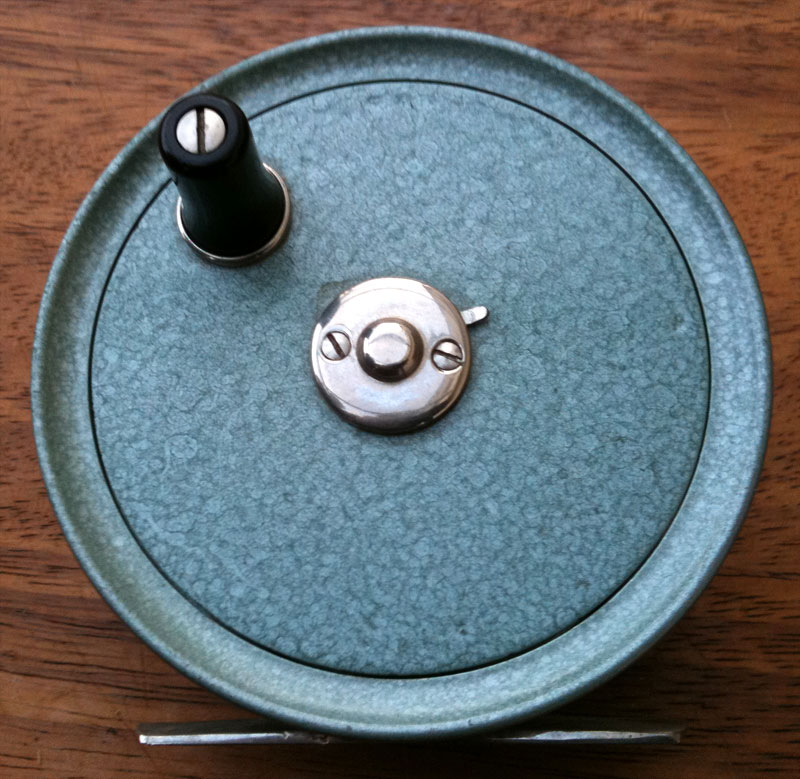
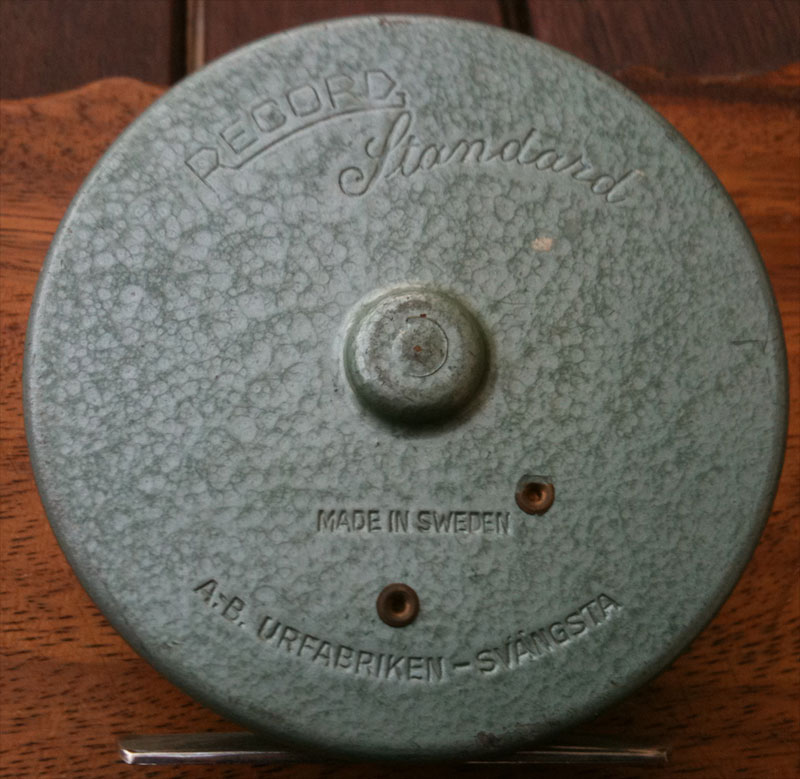
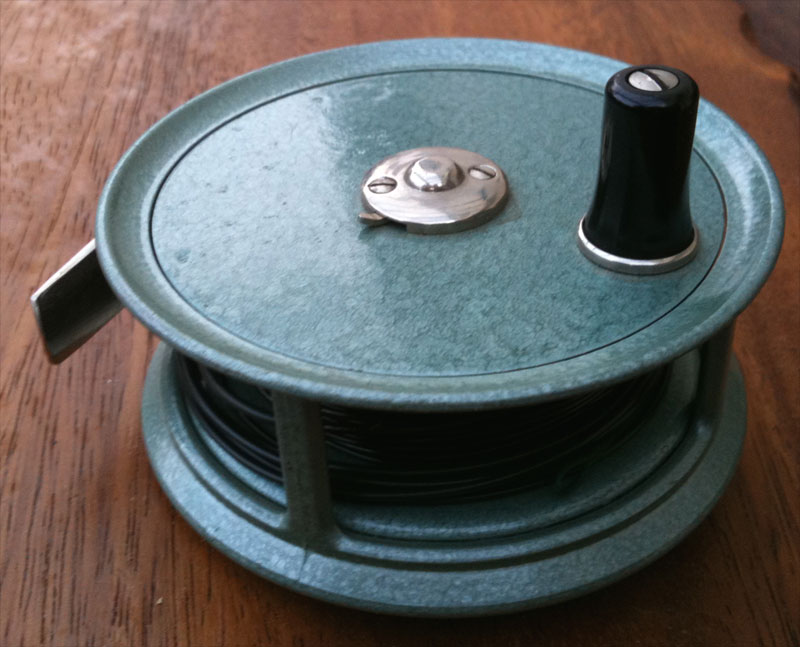
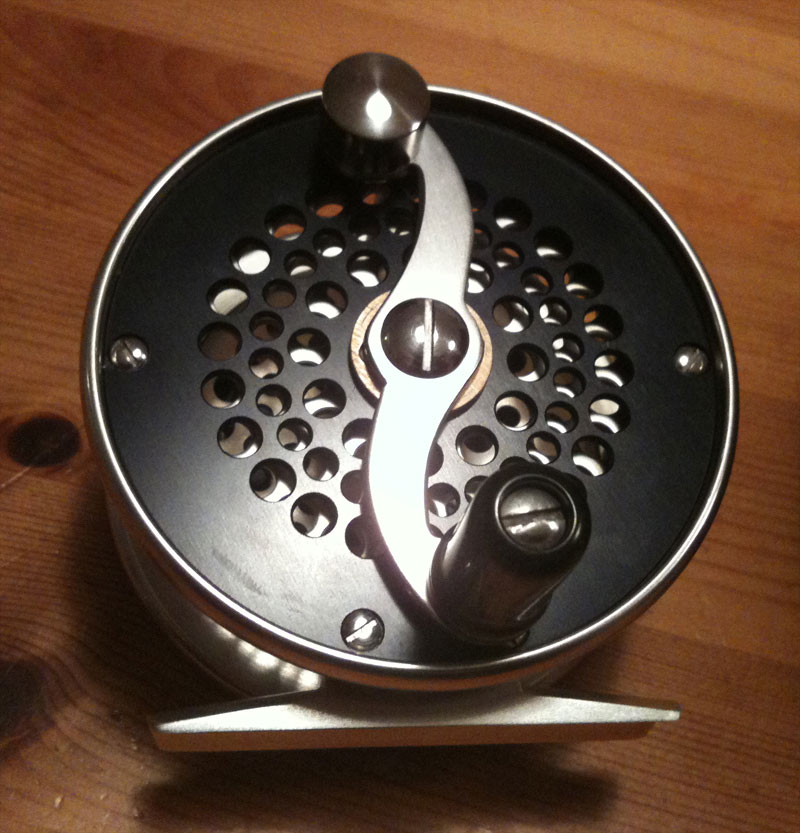
This beauty is my latest catch from ebay, it is a Mitchell 758 Single Action Fly Reel, and i really like the french design. I haven't seen one like this before, and had to buy it, as it was really cheap. :-)


Collecting Classic Fly Fishing Reels

August 12th, 2008 admin Posted in Information, Tips and Tricks | No Comments »

Collecting Classic Fly Fishing Reels

If you're a fly fishing enthusiast, likely you'll find yourself also a collector of vintage fly fishing reels. Just as in any other collector's treasure trove, an individual tends to collect what they like. Collecting fly fishing tackle, in general, has increased in popularity in recent years, and many collectors begin their collections by focusing on one element of tackle, with reels being a popular choice.

Even collectors who don't have a lot of money to spend on their passion can get started in collecting. Finding classic, but still easier to find reels such as: Pflueger, Shakespeare, and South Bend, are great places to start, without completely depleting one's wallet. For those with a bit more money to spend, vintage collectible reels such as Vom Hofe, Milam, Hardy, and Conroy, are all very collectible. Ambassador reels, manufactured in the 1950s and 60s, are also highly desired.

However, it appears that there are definite preferences in the classic fly fishing reels marketplace. American reels, for example, are more sought after than those of European origin. Single action reels are also more collectible than automatic fly reels. If a collector is looking to build a collection that will increase in value, they may want to keep these trends in mind. Or, if they're looking to get into collecting with as little financial outlay as possible, looking at these less desirable reels can often turn up bargains that may pay off as trends turn, in years to come.

In the end, just as the likely reason a collector began collecting fly fishing reels in the first place is because of their love for the fly fishing itself, choosing a reel to add to a collection should speak to the collector. It should be a reel that first and foremost they personally like, to truly display their enthusiasm for the sport.


Choose the right Fly Line

August 12th, 2008 admin Posted in Information, Tips and Tricks | 2 Comments »

Choosing the best Fly Fishing Line

In order to fly fish successfully, the correct fly fishing line must be used for each scenario. Sometimes, the line has a lightweight fly attached which needs to float on the water. In other circumstances, the fly should float just beneath the surface of the water and the line has to be a bit heavier. In some situations, such as when fishing on a lake or a river, the line should sink to the bottom.

Fly fishing requires three different types of line. On the reel, the first line attached in called the backing, and it is usually a heavier, sometimes braided line. Attached to the backing is the fly line. At the end of the fly line is the leader, the part to which the fly itself is tied. There are many considerations when choosing the correct fly fishing line.

Generally, the fly fishing line size should match the sizes of the reel and rod. Usually, the backing line’s test weight is 20 lb. for 8 lb. fly fishing line or less, and 30 lb. for more than an 8 lb. fly fishing line. The leader is tapered on one or on both ends, and size is based on its diameter, which ranges from 0x to 8x, (with 0 being the heaviest and strongest). The fly is tied to the tapered end of the leader.

Fishermen are advised to purchase the best fly fishing line he/she can afford, because it will make a big difference in casting and finesse when fly fishing.

Fly Fishing Line Classes

Possibly the most important factor to consider when fly fishing is the line that will be used. So much of fly fishing involves variables like wind, depth of water, stillness of the water, how the fish are biting and where, and the weight of the fly.

Basically, fly fishing line types are divided into various classes, like weight, taper, and flotation. Fly fishing lines are usually 80 to 100 feet long, but only the first 30 feet of line has the class designations.

Lightweight fly fishing line carries a weight designation of 2 to 4 lbs., intermediate line is 5 to 7 lbs., and heavyweight line is 8 to 9 lbs.
On a windy day, for instance, fishermen need more weight on the line in order to cast.

There are fly fishing lines that are manufactured with the weight forward, or WF, meaning the ‘belly’, or thickest part of the line is at the end in order to propel the line further. Other fly fishing lines are tapered on one or both ends. A double-taper, or DT, has the weight in the center and is tapered on both ends. There is also a shooting taper, or ST.

Floating, or F; sinking, or S; and sink-tip, or F/S lines have either full flotation or a combination of floating and sinking line.

When purchasing line, look for the three-letter code on the label stating the flotation, weight, and taper of the line.


Preventing Fishing & Fly Fishing Injuries

August 9th, 2008 admin Posted in Information, Tips and Tricks | 1 Comment »

Preventing Fishing Injuries

Fishing seems like a fairly safe sport, but serious injuries can occur if you do not remain alert and take appropriate precautions.

This can be prevented:


  • In addition to following water safety procedures, always wear eye protection.
  • According to the Coalition to Prevent Sports Eye Injuries, over one-third of fishing injuries involve hooks to the eye.
  • Alertness is important - always know the location of your own line and the lines of everyone around you.
  • But you can prevent inevitable accidents from turning into catastrophes by wearing sunglasses specifically designed for fishing.
  • Fishing sunglasses not only protect your eyes from hooks, they also protect against direct and reflected UV radiation, the leading cause of cataracts, as well as improving your vision on the water.

Take care, and happy fishing.


Fly Fishing Knot Videos

August 9th, 2008 admin Posted in Information, Tips and Tricks | No Comments »

  • Tying the Blood Knot

  • Nailless Nail Knot

  • Loop Knot

  • The Uni Knot


General Fishing Water Safety Rules

August 8th, 2008 admin Posted in Information, Tips and Tricks | 1 Comment »

Water Safety Rules at Rivers and Lakes

  • Wear suitable clothing and footwear.
  • Overhanging bank is dangerous and should be avoided.
  • Before starting to wade, check the strength of the current.
  • When wading in dangerous waters - use a wading stick.
  • When you are wading, look for hidden rocks or slippery rocks.
  • Don't fish alone. Don't mix fishing and drinking.
  • If you are fishing from rocks, look for good footholds, avoid slippery locations.

Water Safety Rules for Fishing in the Sea

  • Always have a look at the weather and the tides to avoid being cut off from the shore or overseeing a big wave.
  • Always look to the sea because a wave may sweep you away.

Water Safety Rules when Boating

  • Don't mix boating and drinking.
  • Everyone onboard should wear a PFD.
  • Assure yourself that your boat has emergency equipment.
  • Know the limits of your boat and don't overload.
  • Boating traffic rules are important and have to be followed.
  • Check weather, and keep checking.
  • Always tell someone where you are going and when you want to come back.
  • Take spare clothes for changes in the weather or getting wet.
  • If there is bad weather coming, drive home.